+
Years of Experience
+
Project Delivered
+
Technologies Worked On
+
Industry Designed for

Vikas Sen,
I’m
Hi
A UI/UX designer/ Concept Designer
I’ve collaborated on projects for PM Museum, CBSE, HAL
NITI Aayog, NACIN, LBSNAA, Workly, Inara and beyond
my passion lies in transforming ideas into user - centered
designs that inspire and deliver results.
Meet the Mind Behind the Design
with over 2.5+ years of experience crafting thoughtful, human-centered
digital experiences. My work bridges functionality with emotion whether
I’m designing intuitive websites, AI-powered mobile apps, interactive
touch tables, dashboards or immersive digital experience centers.

© Vikas Sen 2026
Designed in framer
Every Big Idea Deserves the Right Design
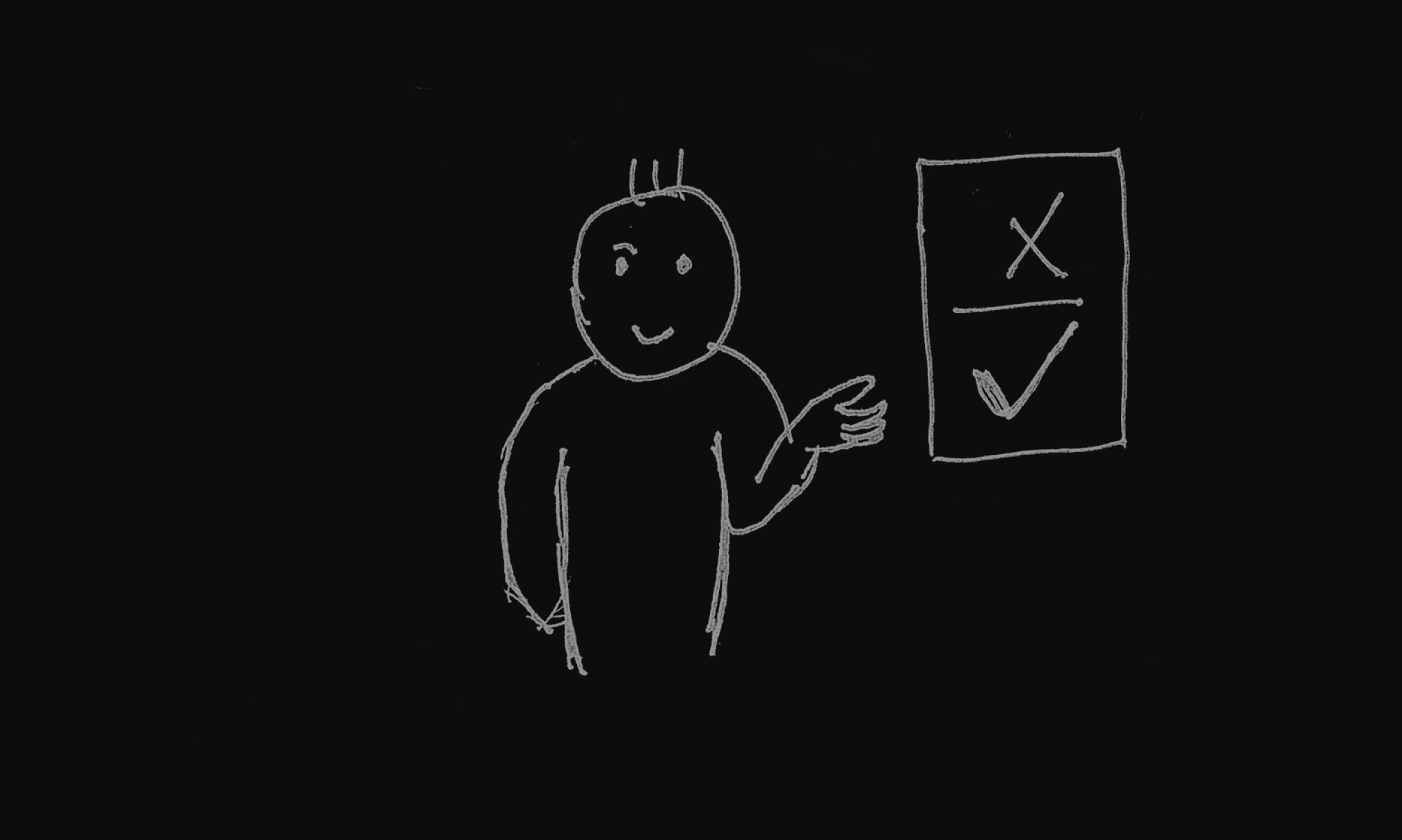
Step 6: Test, Refine, Repeat
What I do:
I validate everything through usability tests, A/B testing, heuristic audits, and business checks. Then I iterate based on real signals.
Making the Pre-Made Make Sense
When features and decisions are already locked by higher-ups, I focus on improving what’s been committed refining flows, enhancing clarity, and reducing the friction that often comes with rigid plans.
Making Sense from Scratch
When I start with just a brief, I shape the product from the ground up defining features, flows, and interactions to create something meaningful, intuitive, and purposeful.
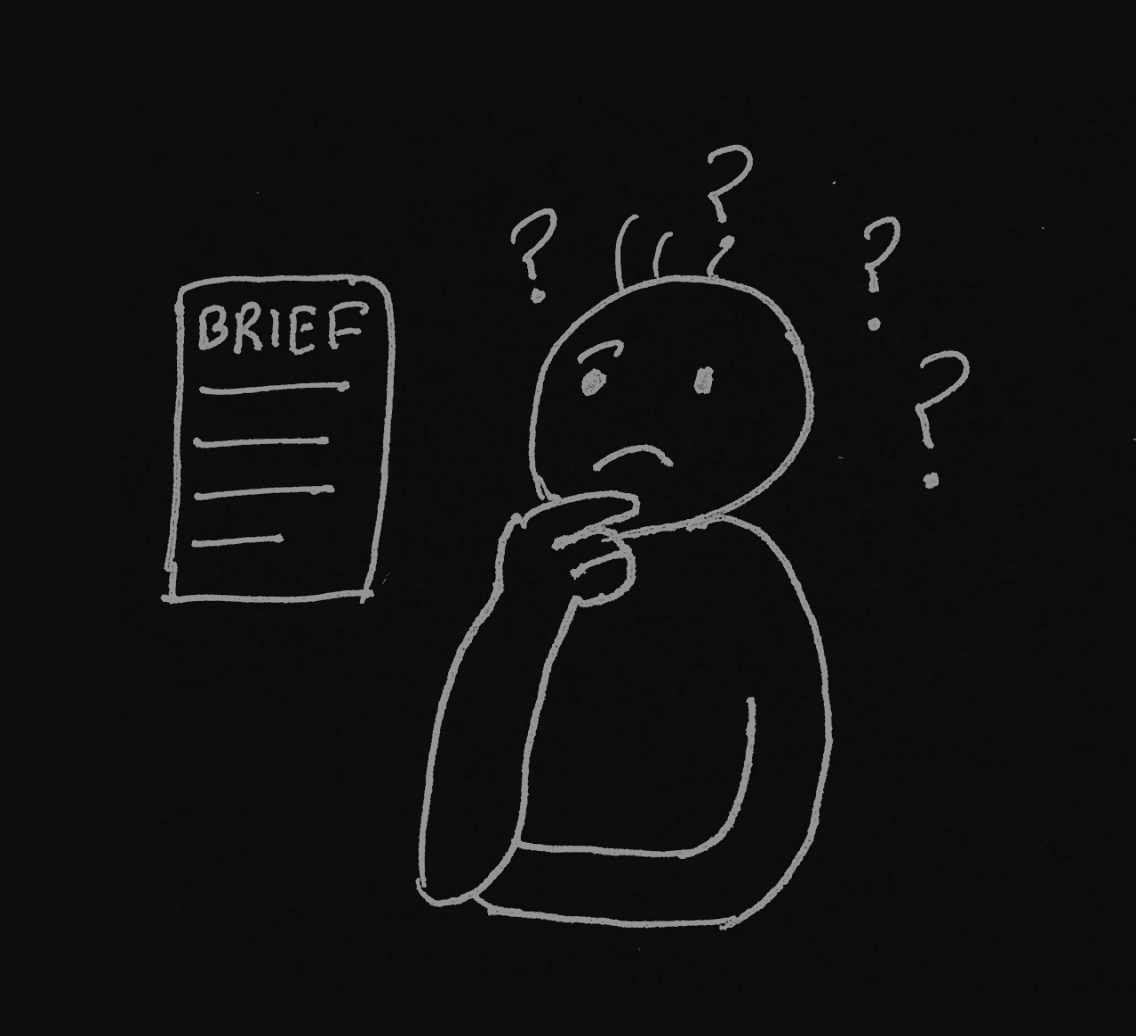
Step 1: Question Everything Before Solving Anything
What I do:
I sit with the brief but don’t just take it at face value. I challenge assumptions, ask big questions, and aim to uncover the real problem, not just what’s written in the doc.
Step 2: Trace It Back to the Root
What I do:
I use methods like 5 Whys, empathy maps, and journey maps to understand what’s driving the user’s experience beneath the surface.

Step 3: Let Ideas Run Wild, Then Bring Them Back
What I do:
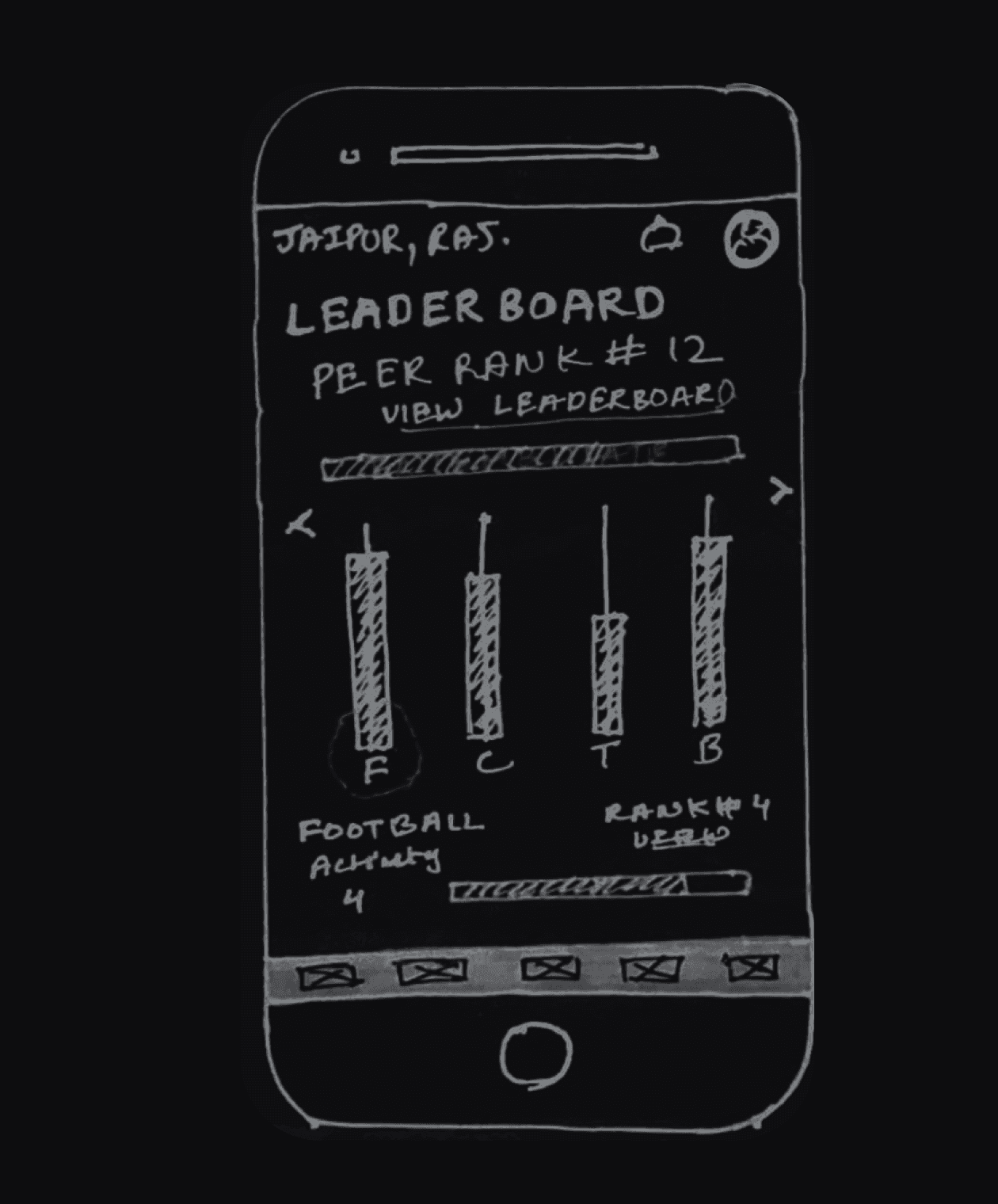
This is where creativity flows. I sketch multiple ideas, go wide, then slowly start narrowing down based on logic, impact, and constraints.
Step 5: Craft the Final Look and Feel
What I do:
I bring the brand, UI patterns, and emotion into play. I refine hierarchy, visuals, spacing, typography, and interaction states.
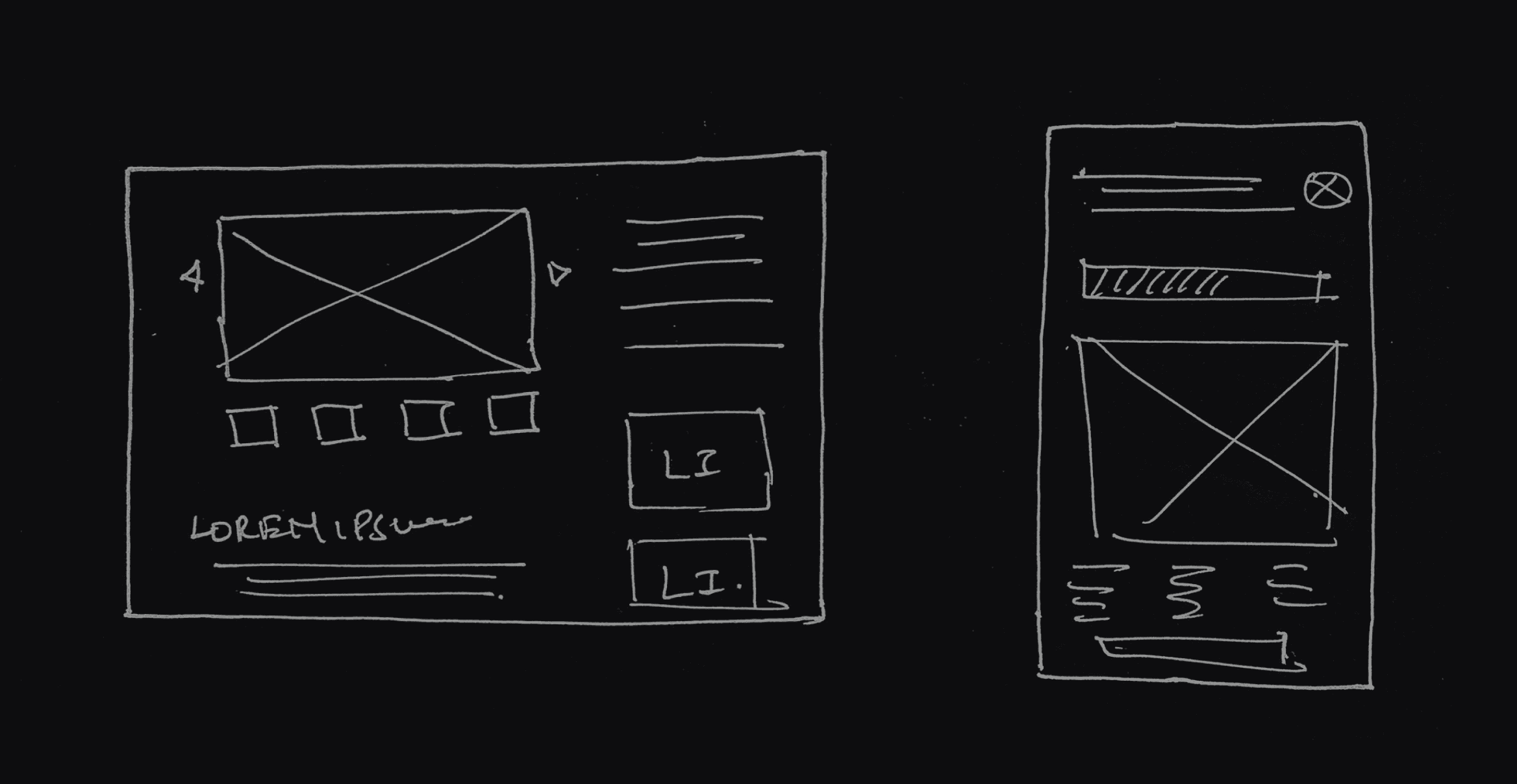
Step 4: Design That Speaks Function First
What I do:
From idea to wireframes—this is where I define structure. I start mid-fi to get layout and flow right, then move to hi-fi to start shaping interactions.
Step 2: Invest in What Actually Works
What I do:
Once I know what’s broken, I remove what no longer works and add only what truly meets user needs and market demands. I focus on simplicity, cutting unnecessary complexity. Changes prioritize real value and business goals, avoiding feature overload. This keeps the product relevant without escalating commitment to outdated ideas.
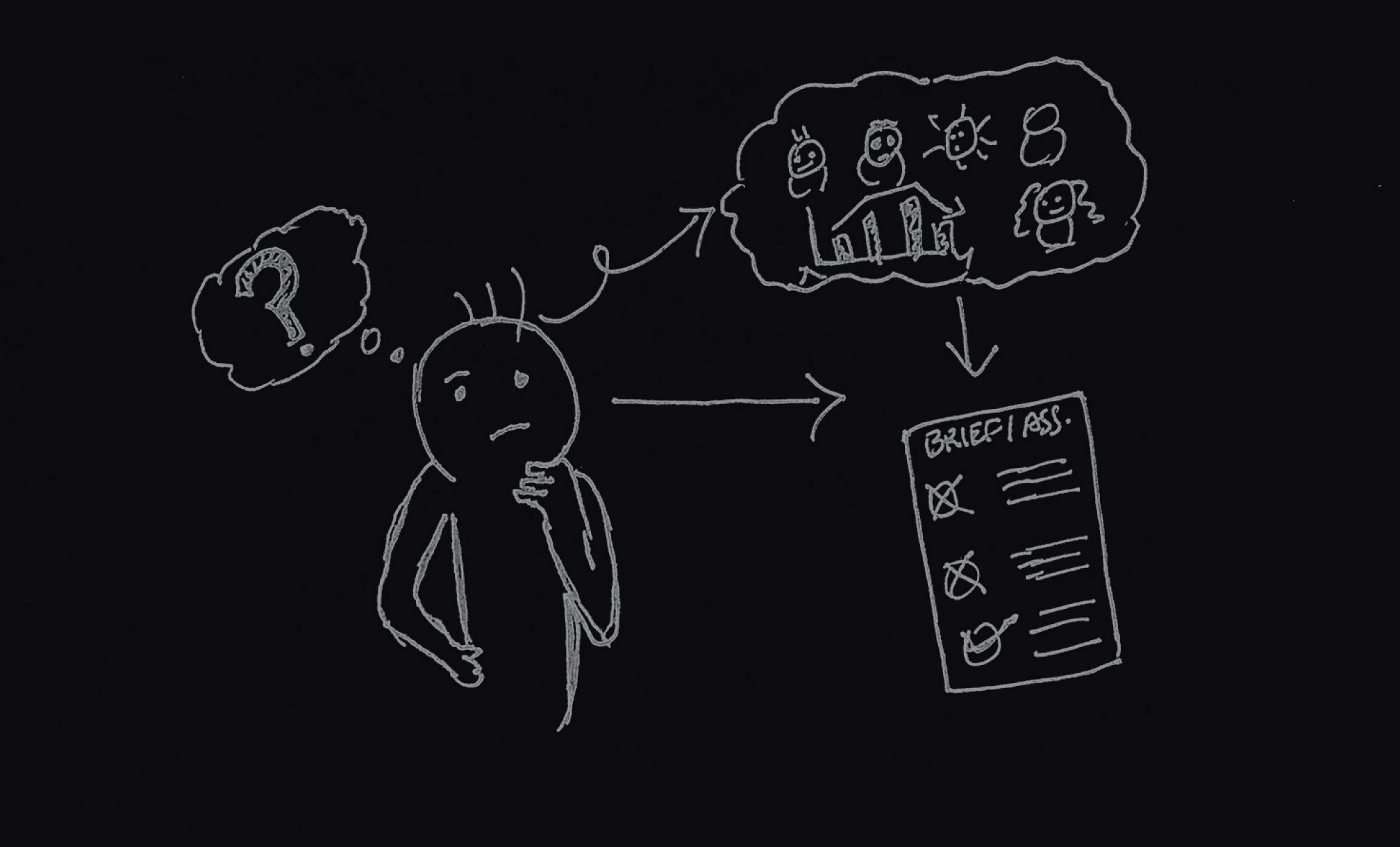
Step 1: Question the Commitment Before Escalating It
What I do:
I challenge the brief, the assumptions, and even the problem itself. I start with a working bias, then use real user data to test it. This helps me avoid blindly escalating commitment to a flawed direction and instead uncover what actually needs fixing.
My Way of Making Things Make Sense

Vikas Sen Portfolio