© Vikas Sen 2026
© Vikas Sen 2026
© Vikas Sen 2026
Designed in framer
Designed in framer
Designed in framer
Every Big Idea Deserves the Right Design
Every Big Idea Deserves the Right Design
Every Big Idea Deserves the Right Design
Step 6: Test, Refine, Repeat
Step 6: Test, Refine, Repeat
Step 6: Test, Refine, Repeat
What I do:
What I do:
What I do:
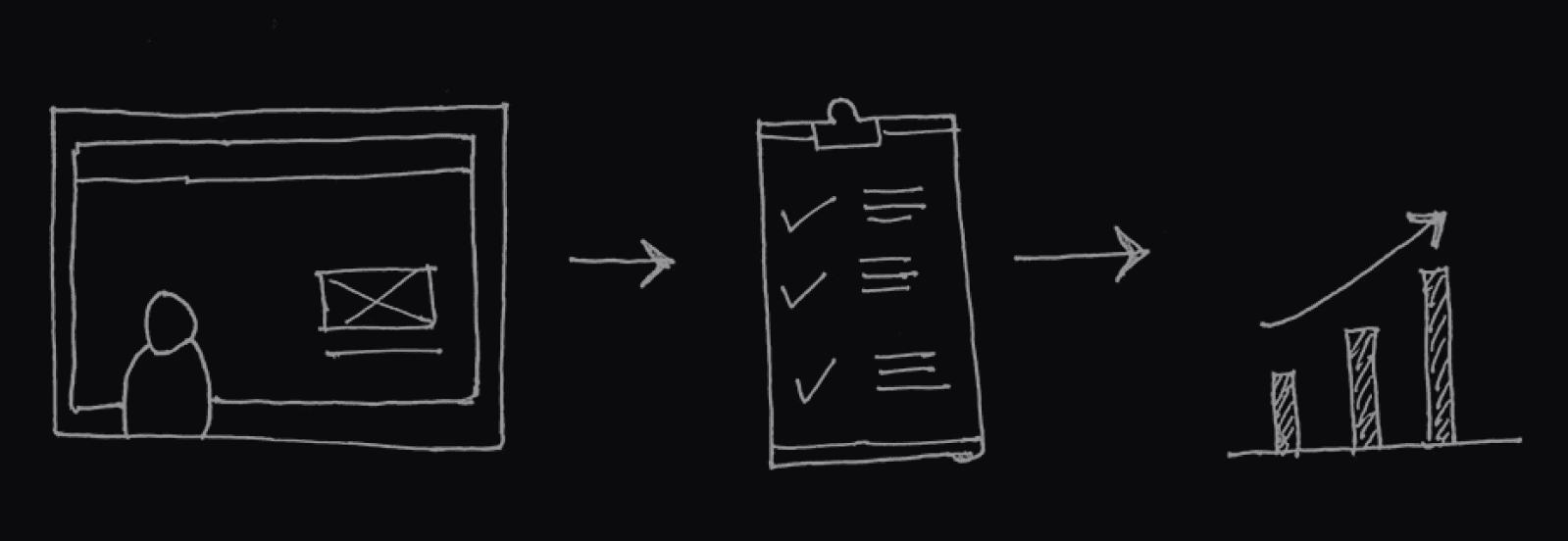
I validate everything through usability tests, A/B testing, heuristic audits, and business checks. Then I iterate based on real signals.
I validate everything through usability tests, A/B testing, heuristic audits, and business checks. Then I iterate based on real signals.
I validate everything through usability tests, A/B testing, heuristic audits, and business checks. Then I iterate based on real signals.
Making the Pre-Made Make Sense
Making the Pre-Made Make Sense
Making the Pre-Made Make Sense
When features and decisions are already locked by higher-ups, I focus on improving what’s been committed refining flows, enhancing clarity, and reducing the friction that often comes with rigid plans.
When features and decisions are already locked by higher-ups, I focus on improving what’s been committed refining flows, enhancing clarity, and reducing the friction that often comes with rigid plans.
When features and decisions are already locked by higher-ups, I focus on improving what’s been committed refining flows, enhancing clarity, and reducing the friction that often comes with rigid plans.
Making Sense from Scratch
Making Sense from Scratch
Making Sense from Scratch
When I start with just a brief, I shape the product from the ground up defining features, flows, and interactions to create something meaningful, intuitive, and purposeful.
When I start with just a brief, I shape the product from the ground up defining features, flows, and interactions to create something meaningful, intuitive, and purposeful.
When I start with just a brief, I shape the product from the ground up defining features, flows, and interactions to create something meaningful, intuitive, and purposeful.
Step 1: Question Everything Before Solving Anything
What I do:
I sit with the brief but don’t just take it at face value. I challenge assumptions, ask big questions, and aim to uncover the real problem, not just what’s written in the doc.

Step 2: Trace It Back to the Root
Step 2: Trace It Back to the Root
What I do:
What I do:
I use methods like 5 Whys, empathy maps, and journey maps to understand what’s driving the user’s experience beneath the surface.
I use methods like 5 Whys, empathy maps, and journey maps to understand what’s driving the user’s experience beneath the surface.

Step 3: Let Ideas Run Wild, Then Bring Them Back
Step 3: Let Ideas Run Wild, Then Bring
Them Back
Step 3: Let Ideas Run Wild, Then Bring Them Back
What I do:
What I do:
What I do:
This is where creativity flows. I sketch multiple ideas, go wide, then slowly start narrowing down based on logic, impact, and constraints.
This is where creativity flows. I sketch multiple ideas, go wide, then slowly start narrowing down based on logic, impact, and constraints.
This is where creativity flows. I sketch multiple ideas, go wide, then slowly start narrowing down based on logic, impact, and constraints.

Step 5: Craft the Final Look and Feel
Step 5: Craft the Final Look and Feel
What I do:
What I do:
I bring the brand, UI patterns, and emotion into play. I refine hierarchy, visuals, spacing, typography, and interaction states.
I bring the brand, UI patterns, and emotion into play. I refine hierarchy, visuals, spacing, typography, and interaction states.

Step 4: Design That Speaks Function First
Step 4: Design That Speaks Function First
Step 4: Design That Speaks Function First
What I do:
What I do:
What I do:
From idea to wireframes—this is where I define structure. I start mid-fi to get layout and flow right, then move to hi-fi to start shaping interactions.
From idea to wireframes—this is where I define structure. I start
mid-fi to get layout and flow right, then move to hi-fi to start shaping interactions.
From idea to wireframes—this is where I define structure. I start mid-fi to get layout and flow right, then move to hi-fi to start shaping interactions.

Step 2: Invest in What Actually Works
What I do:
Once I know what’s broken, I remove what no longer works and add only what truly meets user needs and market demands. I focus on simplicity, cutting unnecessary complexity. Changes prioritize real value and business goals, avoiding feature overload. This keeps the product relevant without escalating commitment to outdated ideas.

Step 1: Question the Commitment Before Escalating It
What I do:
I challenge the brief, the assumptions, and even the problem itself. I start with a working bias, then use real user data to test it. This helps me avoid blindly escalating commitment to a flawed direction and instead uncover what actually needs fixing.

My Way of Making Things Make Sense
My Way of Making Things Make Sense
My Way of Making Things Make Sense
Step 1: Question the Commitment Before Escalating It
What I do:
I challenge the brief, the assumptions, and even the problem itself. I start with a working bias, then use real user data to test it. This helps me avoid blindly escalating commitment to a flawed direction and instead uncover what actually needs fixing.
Step 2: Trace It Back to the Root
What I do:
I use methods like 5 Whys, empathy maps, and journey maps to understand what’s driving the user’s experience beneath the surface.
Step 2: Invest in What Actually Works
What I do:
Once I know what’s broken, I remove what no longer works and add only what truly meets user needs and market demands. I focus on simplicity, cutting unnecessary complexity. Changes prioritize real value and business goals, avoiding feature overload. This keeps the product relevant without escalating commitment to outdated ideas.
Step 5: Craft the Final Look and Feel
What I do:
I bring the brand, UI patterns, and emotion into play. I refine hierarchy, visuals, spacing, typography, and interaction states.
Vikas Sen Portfolio
Scroll to explore
Scroll to explore
Vikas Sen Portfolio
Vikas Sen Portfolio
Scroll to explore
Step 1: Question Everything Before Solving Anything
What I do:
I sit with the brief but don’t just take it at face value. I challenge assumptions, ask big questions, and aim to uncover the real problem, not just what’s written in the doc.
Step 1: Question the Commitment Before Escalating It
What I do:
I challenge the brief, the assumptions, and even the problem itself. I start with a working bias, then use real user data to test it. This helps me avoid blindly escalating commitment to a flawed direction and instead uncover what actually needs fixing.
Step 2: Invest in What Actually
Works
What I do:
Once I know what’s broken, I remove what no longer works and add only what truly meets user needs and market demands. I focus on simplicity, cutting unnecessary complexity. Changes prioritize real value and business goals, avoiding feature overload. This keeps the product relevant without escalating commitment to outdated ideas.
Step 1: Question Everything Before Solving Anything
What I do:
I sit with the brief but don’t just take it at face value. I challenge assumptions, ask big questions, and aim to uncover the real problem, not just what’s written in the doc.